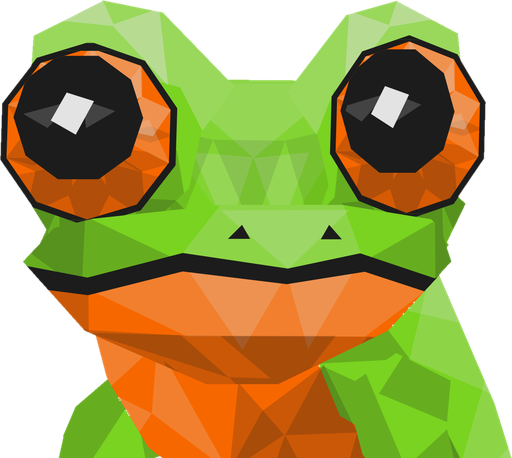
 Brain Froggy
I thought I was lazy. What brain fog actually felt like.

I thought I was lazy. What brain fog actually felt like.
Just try harder
Every morning started the same way. I had plans. Some energy. Then somewhere around the afternoon, my brain would stop cooperating. I had this heavy feeling, like a starting headache. I was forgetful. Even replying to a message suddenly felt too heavy for the amount of energy I had left.
The strange part?
I still blamed myself. I thought lazy people probably felt exactly like this. Good for a few hours. Then distracted. Slower. Mentally checked out by evening. So I kept trying harder. More coffee. Better routines. Earlier sleep. Stretching. Supplements. The wall still arrived almost every day at the same time. Nothing was working.
The moment things stopped making sense
Lazy does not follow a schedule. Brain fog often does. That was the first thing that made me pause. The crash came whether the day was difficult or easy. It came after eight hours of sleep. It came after five. It arrived during stressful weeks and calm ones. If it was laziness, why did it feel so predictable?
Then I noticed the early signs
I felt this tension while focusing on the project. The room suddenly sounded louder. Small decisions became weirdly exhausting. I would reread the same sentence three times without processing it. But once I started paying attention, the pattern became impossible to ignore.
Brain fog felt physical too
People talk about brain fog like it is "just concentration". For me, it felt like my nervous system was running out of space. Conversations became harder to follow. By evening, I could sit in a room with people I cared about and still feel mentally far away from them. Like a movie that was skipping a few frames.
That realization changed everything
I stopped treating the afternoon crash like a personality flaw. I started treating it like a signal. My brain was not asking for more work. It was asking for less input, less pressure, less noise for a moment before the overload fully landed.
I stopped trying to "earn" rest.
That mindset kept making everything worse. For years, I treated breaks like rewards for productivity instead of basic maintenance for my nervous system. I would push through the early warning signs, lose the evening completely, then promise myself I would "do better tomorrow." The cycle repeated constantly because I was reacting too late.
Paying attention is especially hard
If overstimulation comes from paying too much attention, how can I pay attention to notice first signs? I was too tired to remember to set up the alarm. Even if I caught it early one day, I would forget the next. And there was a price to pay.
The Brain Froggy idea appears
I needed something to help me take care. Reminders to take care of myself. I wanted to see them whenever I took my phone. Awareness was the first step. Then Froggy came to life. Nothing flashy, no voices that would require my attention. Simple breathing exercises with a cute companion. One quiet minute to prevent a crash was a good bargain. A short breathing reset. Most apps felt like another responsibility. Another streak. Another thing to maintain perfectly. Brain Froggy was built differently on purpose. One minute, or a few. One reset. No pressure. Skip a day and the frog still likes you.
Take it at your own pace
I was never a fan of motivational posts or affirmations. At the start, they just seemed like a good fit for the app. But working on an app and seeing positive messages day after day helped more than I ever thought it would.
"You're allowed to take your time and still move forward"
I started seeing progress, even the smallest. Now, I recognize it as a core feature of the app. You too can take your time, rest and move forward.
I hope Froggy will help
If this sounds familiar, you are probably not lazy. You may simply be overloaded for longer than your nervous system can carry. And sometimes the first step toward feeling better is realizing your exhaustion has a pattern, not a failure behind it. Take care.