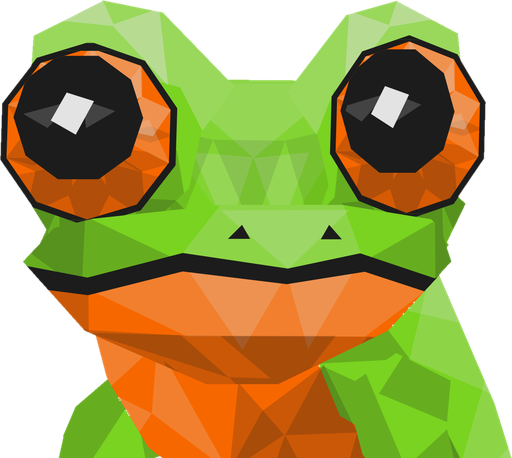
 Brain Froggy
10 Early Signs of Overstimulation You Shouldn't Ignore

10 Early Signs of Overstimulation You Shouldn't Ignore
Small alarms, easy to miss
Feeling off lately?
Some days feel heavier than they should.
You wake up tired. Small tasks suddenly feel loud. Reading the same sentence three times somehow becomes normal. You tell yourself you are distracted, lazy, emotional, or just bad at focusing lately. Most people do.
But sometimes your brain is not failing you.
Sometimes it is just overloaded.
Why people miss the early signs
Overstimulation rarely arrives all at once.
It builds up. A loud room. Too many notifications. One more decision to make. A long conversation. One more thing asking for your attention while your brain is already full.
Then something strange happens. You stop feeling sharp. Simple things feel harder. But there is more.
Most people never connect those moments together because each one seems small on its own. The brain explains them away. "I'm just tired." "I need coffee." "Maybe I slept badly." The signs only become obvious once the whole afternoon already feels impossible.
That is the exact moment many people first begin searching phrases like "why do I suddenly feel mentally tired" or "why can't I focus anymore."
The early signs most people ignore
1. You keep re-reading the same sentence
You read a paragraph. Nothing stays.
So you start again. Then again. Your eyes move across the words, but your brain feels one step behind the page. This is one of the earliest signs of mental overload because the brain starts protecting energy before you consciously notice anything is wrong.
Your attention is not broken.
Your nervous system may simply be overwhelmed.
2. Words suddenly feel hard to reach
You know the word.
You can almost feel it sitting there. Then it disappears right before you say it. You pause awkwardly. You replace it with "that thing." The conversation moves on, but your brain still feels stuck half a second behind everyone else.
That delay can feel scary when it keeps happening. Especially when you blame yourself for it. But it is not your fault.
3. Noise starts feeling bigger than it should
The keyboard clicking across the room.
The TV. The group chat notification. Someone chewing.
Sounds that normally blend into the background suddenly feel impossible to ignore. Your brain loses its ability to filter what matters and what does not. Everything arrives at the same volume.
Too much input.
Not enough space.
4. Light starts feeling wrong
The screen feels brighter than usual.
Flickering lights irritate you. The kitchen light suddenly feels harsh. You lower the brightness without even thinking about it. You may even squint more or feel tension behind your eyes before you realize how exhausted your brain actually feels.
5. You start double checking small things
Did I lock the door?
You check once. Then again. Then halfway down the hallway your brain still feels uncertain. This is not automatically anxiety or OCD. Sometimes it is simply mental fatigue reducing how confident your working memory feels in the background.
And honestly? That can feel exhausting by itself.
When small tasks suddenly feel huge
6. You walk into a room and forget why
It happens fast.
You stand there wondering what your brain was trying to do two seconds ago. Alone, it means nothing. But if it starts happening several times in one afternoon, your brain may already be running low on mental bandwidth.
7. Tiny tasks feel weirdly heavy
Replying to a short email suddenly feels enormous.
Picking food feels complicated. Folding laundry feels like starting a marathon. Even opening your calendar can feel mentally expensive. People often mistake this feeling for laziness when it is actually overload.
8. Your patience disappears faster
Small interruptions that normally would not bother you suddenly feel unbearable.
A repeated question. Another notification. Someone talking while you are trying to think. You are not becoming a bad person. Your brain simply has less room left to absorb extra input.
9. Your body starts joining the conversation
Your breathing can become shallow without you noticing. Maybe there is pressure behind your eyes or a headache starting quietly in the background.
The body often notices overload before the conscious mind fully catches up.
"Your body gives you signs before the brain finally starts listening."
10. Everything starts feeling like too much
This is usually the final warning sign.
At this point even choosing what to eat can feel overwhelming. The day starts feeling impossible to recover from. Most people think this feeling came out of nowhere, but the smaller signs were usually showing up hours earlier.
That is why awareness matters so much.
What helps before brain fog fully hits
Do not pretend everything is fine.
Usually the most effective reset is surprisingly small. A quieter moment. A slower breath. Looking away from the screen for one minute before your brain fully crashes into exhaustion mode.
That is the idea behind Brain Froggy.
The app is built around helping people notice early signs of overstimulation before brain fog fully takes over the day. Set up gentle reminders before the usual mental crash. Small breathing resets help slow things down before overwhelm becomes exhaustion. No pressure. No streaks. No guilt for missing a day.
Just awareness.
A minute for you to close your eyes and take a few deep breaths so your brain can recover.
The goal is not perfection
It is recognition.
Most of us already know what complete burnout feels like. The difficult part is noticing the earlier signals before the day spirals into exhaustion. Once you learn your own patterns, you can recognize overload much sooner.
Sometimes it starts with re-reading sentences.
Sometimes it starts with noise feeling too sharp.
Sometimes it starts with feeling emotionally "off" for no obvious reason.
Those small moments matter more than most people realize. They are your cue to pause for a minute.
A gentle reminder
If these signs feel familiar, you are not imagining it.
Your brain may simply be asking for less input, less pressure, and a little more space than it has been getting lately.
That matters.
And noticing it early can change the entire rest of your day.
A small note on Brain Froggy:
Brain Froggy is not a guided meditation app. It is one small frog who breathes with you when the day gets loud, and one quiet reminder before the usual edge so you can take a minute while the minute is still enough.
The framing matters because overstimulation responds badly to pressure, and pressure is exactly what a points balance or a streak counter quietly adds to a hard day.